Walk down any toothpaste aisle and you will see the word fluoride on many packs, while others proudly say “fluoride-free”. It is natural to wonder what fluoride actually does and whether you need it. In this guide, we explain what fluoride is, why it is so important for your teeth, and how to choose a toothpaste that suits you and your family.
Key Takeaways
- Fluoride is a natural mineral that strengthens enamel and helps prevent tooth decay.
- Brushing twice a day with a fluoride toothpaste is one of the simplest and most effective ways to protect your teeth.
- Check the label for the fluoride ingredient and amount, and use the right quantity for your child’s age.
What Is Fluoride?
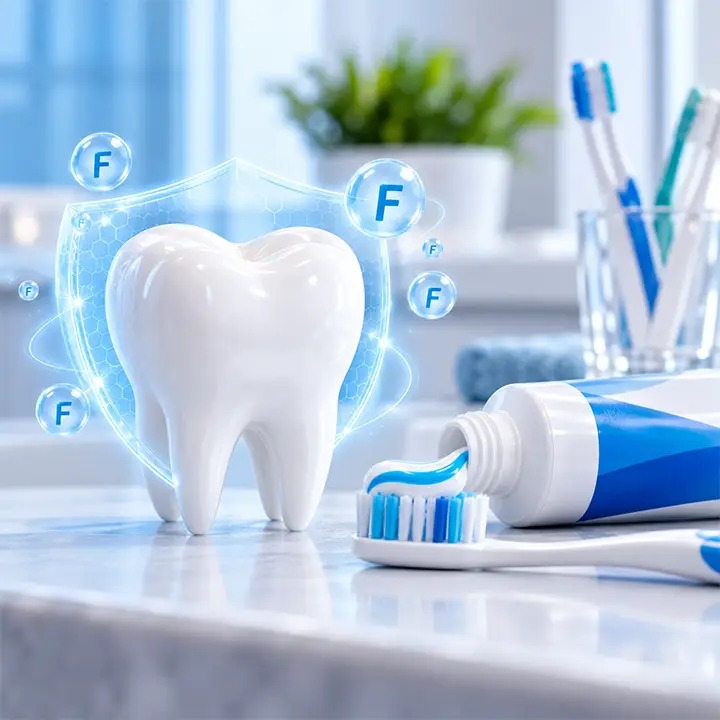
Fluoride is a natural mineral found in soil, water and some foods. In dentistry, it is used in small, carefully measured amounts to protect teeth. You will find it in most toothpastes, and dentists also apply stronger fluoride treatments at the clinic when extra protection is needed.
How Does Fluoride Protect Your Teeth?
Every time you eat or drink something with sugar or starch, bacteria in your mouth produce acid. This acid slowly draws minerals out of your enamel. Between meals, your saliva helps put some of these minerals back. Fluoride makes this repair process work much better.
- It strengthens enamel by helping minerals return to the tooth surface, making it harder and more resistant to acid.
- It can repair very early decay, before a hole (cavity) forms.
- It makes it harder for bacteria to produce the acid that damages teeth.
- It can reduce sensitivity by helping to protect exposed areas of the tooth.
Fluoride does not replace good brushing. It makes every brush count for more.
Dr. Balaji M
Who Benefits From Fluoride?
Everyone with natural teeth benefits, but fluoride is especially helpful for:
- children, whose new teeth are still strengthening
- people who get cavities often
- people with braces, which make cleaning harder
- adults with receding gums and exposed roots
- people with a dry mouth, often caused by some medicines
How to Choose the Right Fluoride Toothpaste.
You do not need an expensive toothpaste to protect your teeth. What matters is what is inside. Here is what to look for on the pack:
1. Check that it actually contains fluoride.
Look at the ingredients list for sodium fluoride, sodium monofluorophosphate (sometimes written as MFP) or stannous fluoride. Many herbal, “natural” and charcoal toothpastes contain no fluoride at all, so always read the label rather than relying on the front of the pack.
2. Check the amount of fluoride.
The amount is usually shown in ppm (parts per million). For adults and children over six, choose a toothpaste with about 1,000 to 1,450 ppm fluoride. Your dentist may recommend a different strength if you are at high risk of decay.
3. Choose for your needs.
- Sensitive teeth: a fluoride toothpaste made for sensitivity.
- Bleeding or tender gums: a fluoride toothpaste for gum care, such as one with stannous fluoride.
- Children: a fluoride toothpaste in the right amount for their age (see below). Mild flavours help children who dislike strong mint.
- Whitening pastes: fine occasionally, but avoid very abrasive pastes for everyday use.
4. Check the basics.
Choose a reputable brand with the ingredients and expiry date clearly printed, and keep the tube closed and away from heat.
How Much Toothpaste to Use.
| Age | Amount of fluoride toothpaste | Tip |
|---|---|---|
| Under 3 years | A smear (the size of a grain of rice) | Parents brush the child’s teeth |
| 3 to 6 years | A pea-sized amount | Help with brushing and teach them to spit |
| Over 6 years and adults | A pea-sized amount | Spit out, do not rinse |
Supervise children until they are about seven or eight years old, and keep toothpaste out of reach of small children. For more guidance, see our kids dentistry services.
How to Get the Most From Fluoride.
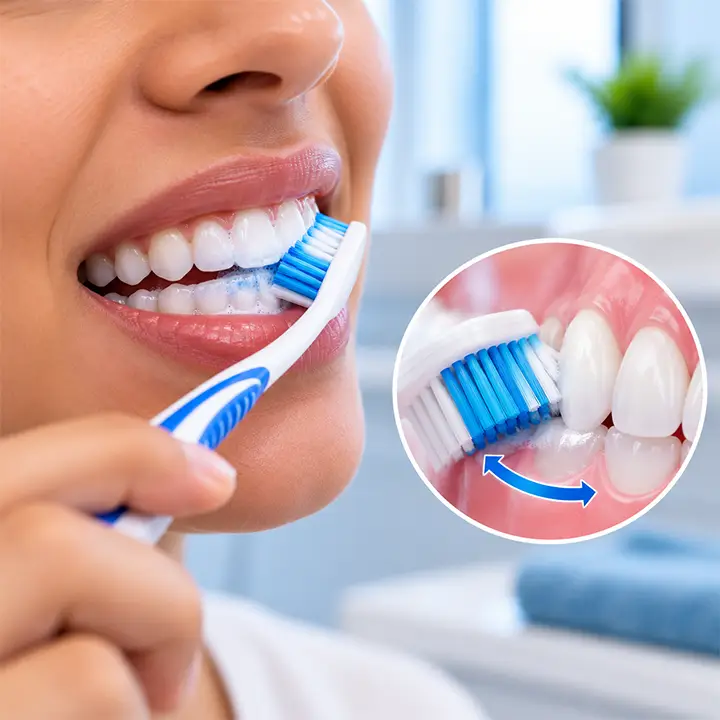
- Brush twice a day, and make sure one of those times is last thing at night.
- Brush for two minutes, reaching every surface of every tooth.
- Spit out the toothpaste, but do not rinse with water straight away. This leaves a protective layer of fluoride on your teeth.
- Do not swallow toothpaste, especially children.
- Avoid eating or drinking for about 30 minutes after brushing at night, where possible.
Is Fluoride Safe?
Yes. Used as directed, fluoride toothpaste is safe and is recommended by dental and health organisations around the world. As with anything, the right amount matters. If young children regularly swallow too much toothpaste while their teeth are forming, it can cause faint white marks on the teeth, called dental fluorosis. This is why the correct amount and supervision are important.
Fluoride levels in drinking water vary from place to place, and some areas naturally have high levels. Do not take fluoride tablets or drops unless your dentist or doctor advises them.
Professional Fluoride Treatment.
At the clinic, we can apply a stronger fluoride varnish to give teeth extra protection. It is quick and painless, and is especially helpful for children and people who get cavities often. It is part of our check-ups and prevention care, and for children it is often combined with fluoride and sealants.
Frequently Asked Questions
Is fluoride-free toothpaste better?
For most people, no. Fluoride-free toothpastes do not give the same protection against tooth decay. Unless your dentist advises otherwise, choose a toothpaste that contains fluoride.
How do I know how much fluoride my toothpaste has?
Look on the tube or box for the fluoride ingredient and a number in ppm (parts per million). For adults and children over six, about 1,000 to 1,450 ppm is recommended.
Can children use fluoride toothpaste?
Yes. Use a smear the size of a grain of rice for children under three, and a pea-sized amount for children aged three to six. Supervise brushing and teach them to spit it out.
Should I rinse my mouth after brushing?
It is best not to. Spit out the extra toothpaste but do not rinse with water, so the fluoride stays on your teeth and keeps protecting them.
Does fluoride help sensitive teeth?
Yes. Fluoride strengthens enamel and helps protect exposed areas. A fluoride toothpaste made for sensitive teeth can reduce discomfort when used regularly.
Not sure which toothpaste is right for you or your child? Bring it along to your next visit and we will check it with you. Message us on WhatsApp or contact us.
Sources and further reading: American Dental Association (MouthHealthy): Fluoride; NHS: Taking care of children’s teeth; World Health Organization: Oral health.