Brushing is the most important thing you do for your teeth every day. Yet many people brush too quickly, too hard or miss the same spots every time. A few small changes to your technique can protect your teeth and gums for life.
Key Takeaways
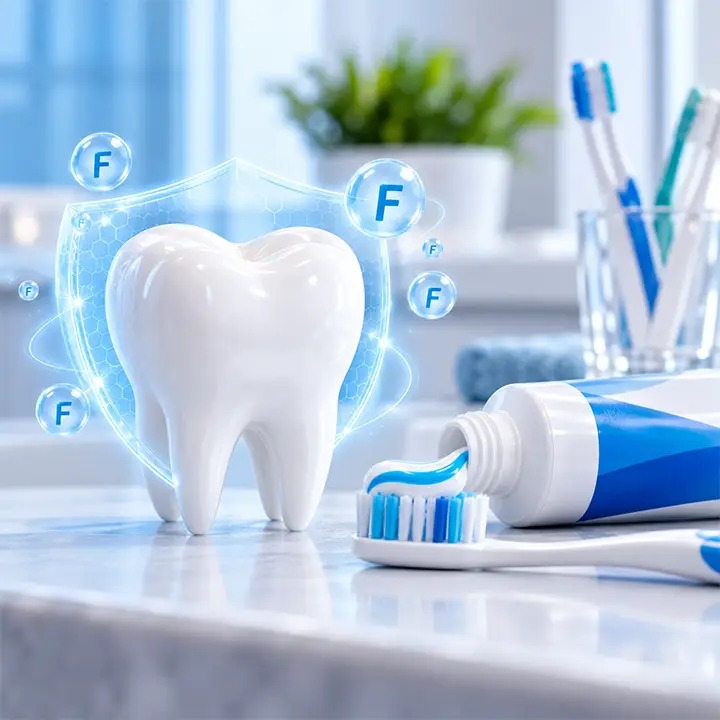
- Brush twice a day for two minutes with a soft-bristled brush and fluoride toothpaste.
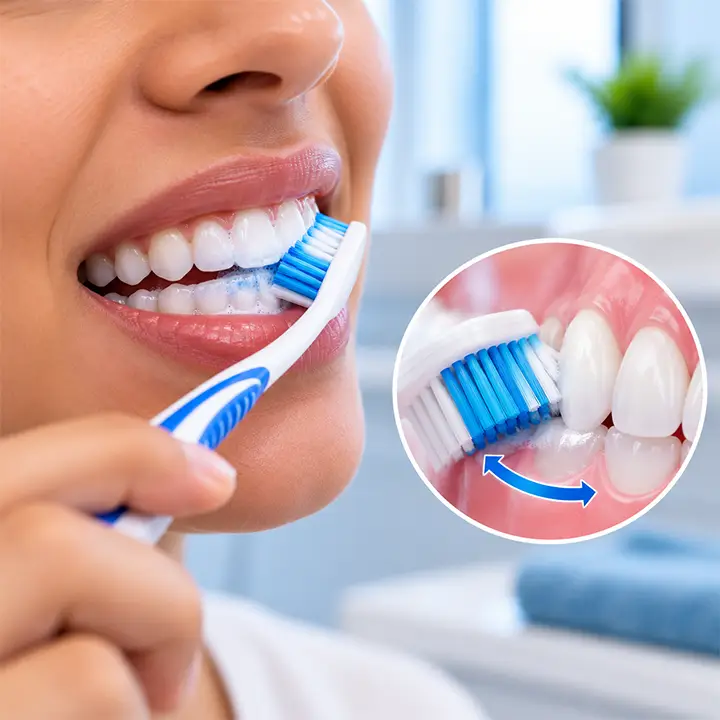
- Angle the bristles towards the gum line and use gentle, small circles.
- Clean between your teeth once a day, because a toothbrush cannot reach these spaces.
Choosing the Right Toothbrush and Toothpaste.
- A soft-bristled brush with a small head reaches the back teeth easily and is kind to your gums.
- Manual or electric: both work well when used correctly. An electric brush can help people who find brushing technique difficult.
- Fluoride toothpaste: a pea-sized amount for adults and children over six.
- Replace your brush every three months, or sooner if the bristles spread out.
The Right Technique, Step by Step.
- Angle the brush at about 45 degrees towards the gum line.
- Use small, gentle circles on two or three teeth at a time. No hard scrubbing.
- Clean every surface: the outer side, the inner side and the chewing surfaces of every tooth.
- Do not forget the back teeth and the inside of the front teeth, which are often missed.
- Brush your tongue gently to remove bacteria that cause bad breath.
- Spit, do not rinse, so the fluoride stays on your teeth longer.
Two minutes can feel longer than you think. Try dividing your mouth into four sections and spending about 30 seconds on each.
Good brushing is not about force. It is about being gentle, thorough and consistent every single day.
Dr. Balaji M
Common Brushing Mistakes.
- brushing too hard, which wears enamel and pushes gums back
- using a hard-bristled brush
- brushing straight after acidic food or drinks (wait about an hour)
- rushing and brushing for less than a minute
- keeping the same toothbrush for too long
- skipping the night-time brush, the most important one of the day
Clean Between Your Teeth.
A toothbrush cleans most surfaces, but not the tight spaces between teeth, where decay and gum disease often begin. Use dental floss or small interdental brushes once a day. If your gums bleed a little at first, keep going gently. If bleeding continues for more than a week or two, have your gums checked.
Brushing for Children.
Help children brush until they are about seven or eight years old. Use a smear of fluoride toothpaste (the size of a grain of rice) for children under three, and a pea-sized amount for ages three to six. Read more in our guide to kids dentistry.
Even the best brushing cannot remove hardened tartar, so a check-up and professional cleaning every six months keeps your teeth and gums in top shape.
Frequently Asked Questions
How long should I brush my teeth?
Brush for two minutes, twice a day: once in the morning and once before bed.
Should I brush before or after breakfast?
Either is fine. If you have acidic food or drinks such as citrus fruit or juice, wait about an hour before brushing, or brush before breakfast instead.
Is an electric toothbrush better than a manual one?
Both clean well when used properly. An electric toothbrush can make it easier to brush thoroughly, especially for people with braces or limited hand movement.
Why do my gums bleed when I brush?
Bleeding gums are often an early sign of gum inflammation caused by plaque. Keep brushing gently and cleaning between your teeth. If bleeding continues, book a check-up.
Want a quick brushing check at your next visit? Just ask us, and we will be happy to show you. Message us on WhatsApp or contact us.
Sources and further reading: NHS: How to keep your teeth clean; American Dental Association (MouthHealthy): Brushing your teeth.