Wisdom teeth are the last teeth to come through, usually between the ages of 17 and 25. For some people they grow in without any trouble. For others there is not enough space, and they cause pain, swelling or problems for nearby teeth. If you have been told you may need a wisdom tooth removed, this guide explains what to expect, step by step.
Key Takeaways
- Not all wisdom teeth need to be removed. We only recommend removal when a tooth is causing, or is likely to cause, problems.
- Removal is done with local anaesthesia, so you feel pressure but not pain. Sedation is available for nervous patients.
- Most people recover within a few days by following simple aftercare advice.
Why Do Wisdom Teeth Cause Problems?
When there is not enough room in the jaw, a wisdom tooth may grow in at an angle or stay partly under the gum. This is called an impacted wisdom tooth. Food and bacteria collect around it easily, which can lead to infection, decay in the tooth next to it, or gum swelling.
Signs Your Wisdom Tooth Needs Attention.
- pain or tenderness at the back of the mouth
- swollen, red gum over a partly erupted tooth
- a bad taste or bad breath that keeps coming back
- difficulty opening your mouth fully
- food getting stuck behind the last tooth
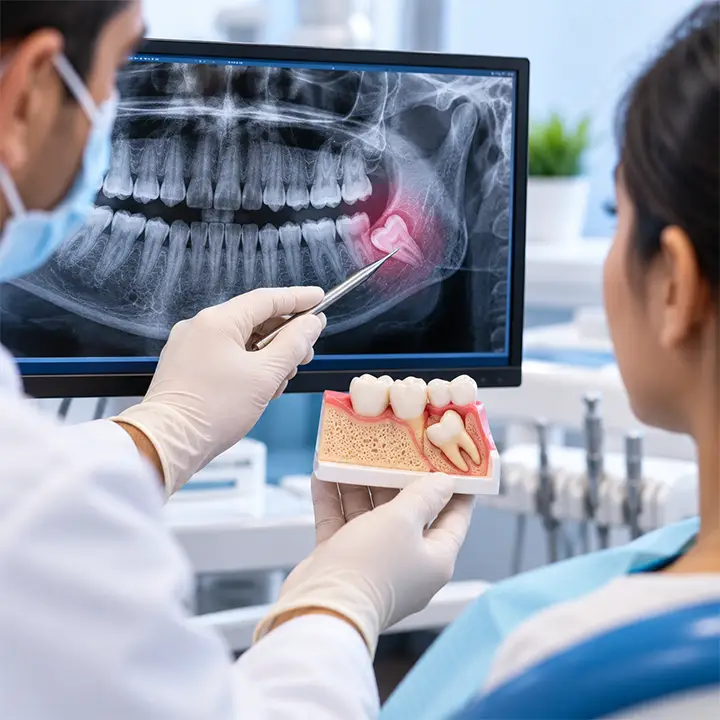
Sometimes there are no symptoms at all, and the problem is spotted on an X-ray during a check-up.
What Happens During Removal?
- Assessment: we examine the tooth and take an X-ray to see its position and roots, then explain the plan clearly.
- Numbing: a local anaesthetic makes the area completely numb.
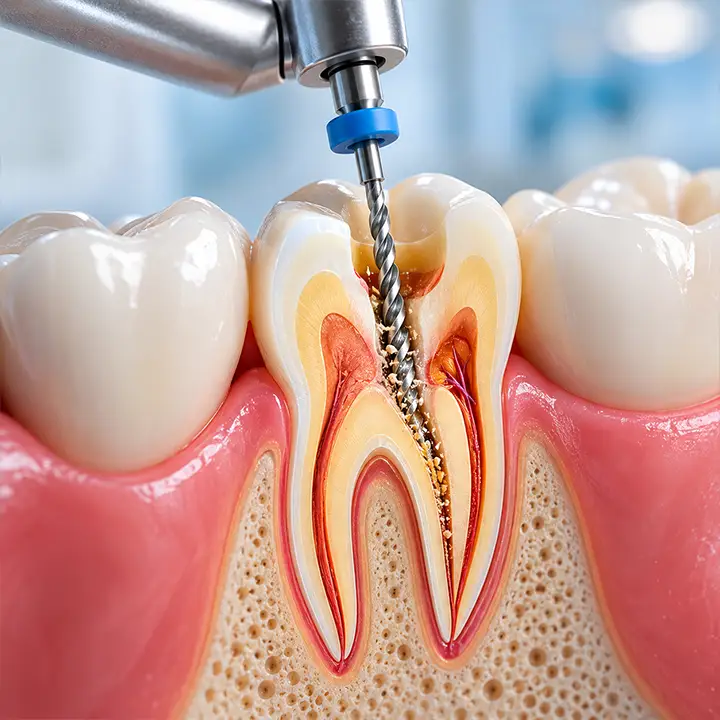
- Removal: a tooth that has fully come through is often removed simply. An impacted tooth may need a small opening in the gum, and sometimes the tooth is removed in sections.
- Stitches: a few stitches may be placed to help the gum heal.
- Aftercare: we give you clear written and spoken instructions before you leave.
If you feel anxious, nitrous oxide sedation can help you stay calm and relaxed throughout. Dr. Balaji M holds a Fellowship in Oral Implant Dentistry and Oral Surgery, so minor oral surgery like this is done with care and experience.
A wisdom tooth removal is a planned, gentle procedure. Knowing each step makes it much less worrying.
Dr. Balaji M
Tips for a Comfortable Recovery.
On the first day:
- bite gently on the gauze for the time advised to help a clot form
- do not rinse, spit forcefully or drink through a straw
- avoid smoking and alcohol
- hold a cold pack against your cheek for short periods to reduce swelling
- eat soft, cool food and chew on the other side
Over the next few days:
- from the next day, rinse gently with warm salt water after meals
- keep brushing your other teeth, being careful around the area
- take the pain relief your dentist recommends
- expect swelling to peak around day two or three and then improve
Contact us if pain gets worse after the third day, if you notice a bad taste with increasing pain (which can be a sign of a dry socket), if bleeding does not stop, or if you develop a fever.
Frequently Asked Questions
Do all wisdom teeth need to be removed?
No. Wisdom teeth that come through fully, are healthy and can be cleaned properly can stay. We recommend removal only when a tooth is causing problems or is likely to.
Is wisdom tooth removal painful?
The area is completely numbed, so you should feel pressure but not pain during the procedure. Some soreness and swelling afterwards is normal and is managed with the pain relief your dentist recommends.
How long does recovery take?
Most people feel much better within three to five days. Full healing of the gum takes a little longer. Following the aftercare advice helps you recover smoothly.
What can I eat after wisdom tooth removal?
Soft, cool foods such as curd, idli, khichdi, soups that are not too hot, and mashed vegetables are good choices for the first few days. Avoid hard, crunchy or spicy food until the area heals.
If a wisdom tooth is bothering you, we will check it and explain your options without any pressure. Message us on WhatsApp or contact us.
Sources and further reading: NHS: Wisdom tooth removal; American Dental Association (MouthHealthy): Wisdom teeth.