
That quick, sharp twinge when you sip cold water, bite into ice cream or brush your teeth is called tooth sensitivity. It is one of the most common reasons people visit a dentist. The good news is that it is usually easy to manage once we know what is causing it.
Key Takeaways
- Sensitivity happens when the softer layer under your enamel, called dentine, becomes exposed.
- Brushing too hard, acidic food and drinks, receding gums and tooth grinding are common causes.
- A desensitising toothpaste helps many people, but sensitivity in one tooth should always be checked.
Why Do Teeth Become Sensitive?
The outer layer of your tooth, the enamel, protects the softer dentine underneath. Dentine contains thousands of tiny channels that lead towards the nerve. When enamel wears away or gums pull back, these channels are exposed, and hot, cold, sweet or sour things can reach the nerve more easily. That is the sharp feeling you notice.
Common Causes of Tooth Sensitivity.
- Brushing too hard or using a hard-bristled toothbrush, which wears enamel and gums.
- Acidic food and drinks such as soft drinks, citrus fruit, pickles and some fruit juices.
- Receding gums, often linked to gum disease, which expose the root surface.
- Tooth grinding or clenching, especially at night.
- Tooth decay, a cracked tooth or a worn filling.
- Short-term sensitivity after treatment, such as a cleaning, a new filling or whitening, which usually settles within a few days.
Sensitivity is your tooth asking for a little extra care. Most of the time, small changes make a big difference.
Dr. Balaji M
Simple Steps That Bring Relief.
- Use a toothpaste for sensitive teeth twice a day. It works gradually, so give it two to four weeks.
- Spit, do not rinse after brushing, so the toothpaste can keep working.
- Switch to a soft-bristled brush and use gentle, small circles.
- Cut down on acidic drinks, and drink water after acidic food.
- Wait about an hour after acidic food or drinks before brushing, because enamel is softer straight afterwards.
- Avoid very hot or very cold food for a while if it triggers pain.
How We Can Help at the Clinic.
If sensitivity does not improve with home care, we will look for the cause. Depending on what we find, treatment may include:
- a fluoride treatment to strengthen sensitive areas, as part of a routine check-up
- a tooth-coloured filling to cover exposed areas, worn edges or decay
- gum care if receding or inflamed gums are part of the problem
- a night guard if grinding is wearing your teeth down
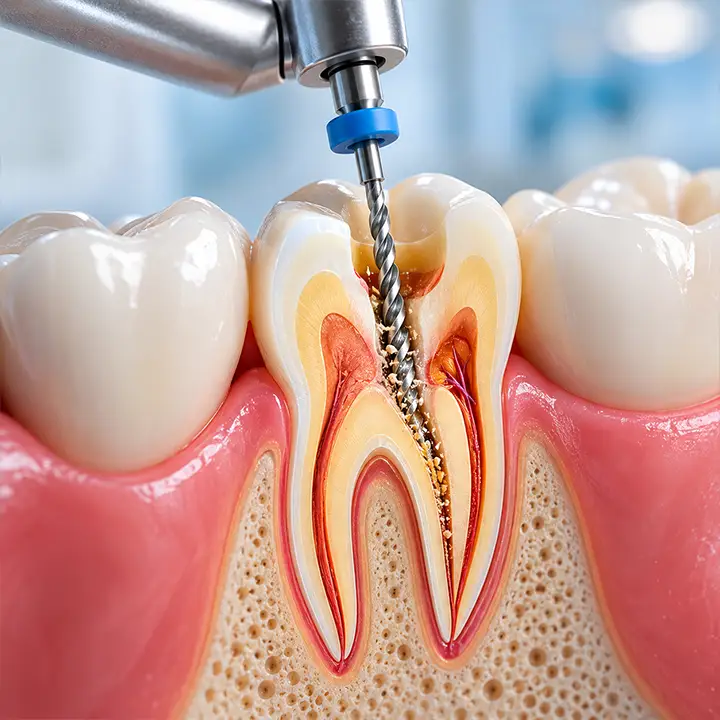
- root canal treatment in the rare case where the nerve itself is affected
When should sensitivity be checked?
Please see a dentist if the pain lasts more than a few seconds after the trigger is gone, if only one tooth is affected, if it wakes you at night, or if it hurts to bite. These can be signs of decay or a crack that need treatment.
Frequently Asked Questions
Is tooth sensitivity permanent?
Usually not. Most sensitivity improves when the cause is treated and with daily use of a sensitivity toothpaste. Sensitivity after a cleaning or a new filling normally settles within a few days.
Which toothpaste is best for sensitive teeth?
Look for a fluoride toothpaste made for sensitive teeth. Use it twice a day and give it a few weeks to work. Your dentist can suggest one that suits you.
Can whitening cause sensitivity?
Yes, whitening can cause temporary sensitivity. It usually fades within a few days. A dentist-supervised treatment lets us adjust the process to keep you comfortable.
Why is only one tooth sensitive?
Sensitivity in a single tooth can point to a cavity, a cracked tooth or a problem with a filling. It is best to have it checked so it can be treated early.
If cold drinks or brushing have become uncomfortable, we are happy to take a look. Message us on WhatsApp or contact us.
Sources and further reading: American Dental Association (MouthHealthy): Sensitive teeth; World Health Organization: Oral health.