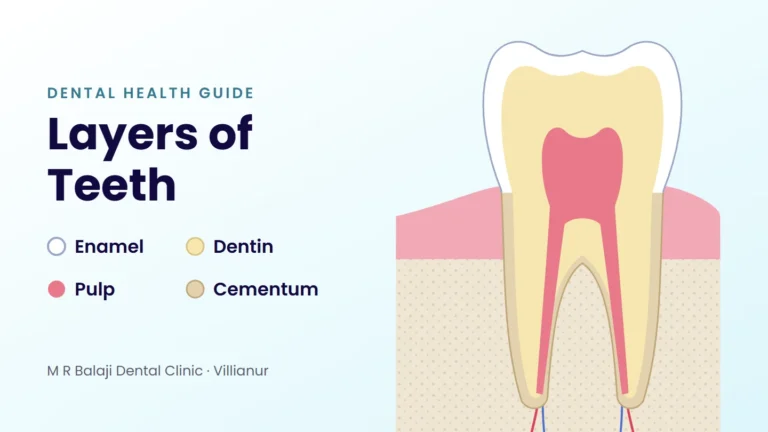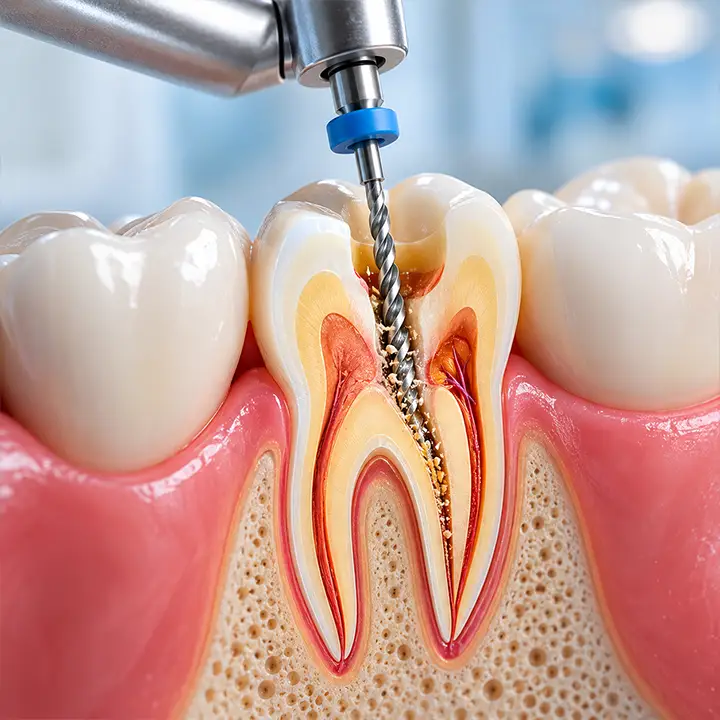

When we think about a healthy smile, we usually think about white, straight teeth. But the real foundation of your smile is your gums. Healthy gums hold your teeth firmly in place, protect the bone underneath and keep harmful bacteria out. The good news is that gum problems are very common, very treatable and, in most cases, completely preventable.
Key Takeaways
- Healthy gums are pink and firm, and they do not bleed when you brush.
- Bleeding, swelling and bad breath are early signs of gum disease, and early gum disease can be reversed.
- Gentle brushing twice a day, cleaning between your teeth and a professional cleaning every six months keep most gum problems away.
Why Your Gums Matter.
Your gums form a tight seal around each tooth. This seal keeps food and bacteria away from the roots and the jawbone. When gums become inflamed, the seal loosens, small pockets form around the teeth and bacteria can settle deeper. Over time this can weaken the bone that supports your teeth, and teeth may start to feel loose.
Gum health also matters beyond your mouth. Research has found links between long-term gum disease and conditions such as diabetes and heart disease. Looking after your gums is one simple way to look after your overall health.
Signs of Healthy and Unhealthy Gums.
Healthy gums usually:
- look pink and firm
- fit snugly around each tooth
- do not bleed when you brush or floss
Signs your gums need attention:
- bleeding when you brush, floss or eat
- red, puffy or tender gums
- bad breath that does not go away
- gums that seem to be pulling back from your teeth
- teeth that feel loose or a bite that feels different
Bleeding gums are often the first sign, and many people ignore them because there is usually no pain. If your gums bleed regularly, it is worth getting them checked.
What Causes Gum Disease?
The main cause is plaque, a soft, sticky layer of bacteria that builds up on teeth every day. If it is not removed, it hardens into tartar (calculus), which a toothbrush cannot remove. Tartar irritates the gums and causes inflammation.
Some things make gum problems more likely:
- smoking or chewing tobacco, paan or gutka
- diabetes, especially when blood sugar is not well controlled
- hormonal changes during pregnancy
- some medicines that cause a dry mouth
- crowded teeth that are harder to clean
- stress and a diet low in fruit and vegetables
The Two Stages: Gingivitis and Periodontitis.
Gingivitis is the early stage. The gums are red, swollen and bleed easily, but the bone is not yet affected. With a professional cleaning and better home care, gingivitis can usually be reversed completely.
Periodontitis is the advanced stage. The infection reaches the bone and the tissues that hold the teeth in place. The damage cannot be fully undone, but treatment can stop it from getting worse and help you keep your teeth.
Bleeding gums are not normal, but they are an early warning we can act on. Caught early, gum disease is one of the easiest problems to treat.
Dr. Balaji M
Simple Daily Habits for Healthy Gums.
- Brush twice a day for two minutes with a soft-bristled toothbrush and fluoride toothpaste.
- Angle the brush towards the gum line and use small, gentle circles. Scrubbing hard can hurt your gums.
- Clean between your teeth once a day with floss or small interdental brushes. Your toothbrush cannot reach these spaces.
- Replace your toothbrush every three months, or sooner if the bristles are spread out.
- Avoid tobacco in every form. It is one of the biggest risks for gum disease.
- Eat a balanced diet and drink plenty of water, especially between meals.
How We Treat Gum Problems at Our Clinic.
At M R Balaji Dental Clinic, gum care starts with a gentle check of your gums and the pockets around your teeth. For most patients, a thorough scaling and polishing removes the plaque and tartar that cause inflammation. If gum disease is more advanced, we explain every step before we begin, and we can treat you in stages so you stay comfortable. For nervous patients, nitrous oxide sedation is available.
Frequently Asked Questions
Is it normal for gums to bleed when I brush?
No. Healthy gums do not usually bleed. Bleeding is most often an early sign of gingivitis caused by plaque along the gum line. Keep brushing gently, clean between your teeth daily and book a check-up so we can remove any tartar.
Can gum disease be cured?
Early gum disease (gingivitis) can usually be reversed with a professional cleaning and good home care. Advanced gum disease (periodontitis) cannot be fully reversed, but treatment can stop it from progressing and help you keep your teeth.
How often should I get my teeth cleaned?
Most people benefit from a professional cleaning every six months. If you have gum disease, diabetes or smoke, your dentist may suggest a cleaning every three to four months.
Does scaling damage the teeth?
No. Scaling removes hardened tartar from the surface of your teeth and below the gum line. It does not remove enamel. Your teeth may feel slightly sensitive for a day or two afterwards, which settles on its own.
If your gums bleed, feel tender or you simply have not had a check-up in a while, we are happy to help. Contact us or message us on WhatsApp, and we will find a time that suits you.
Sources and further reading: NHS: Gum disease; American Dental Association (MouthHealthy): Gum disease.